

Counterfeit Norwegian Krone – Everything You Need to Know
Counterfeit Norwegian Krone is one of the world’s most secure and stable currencies, trusted globally for its integrity. In this comprehensive article, we explore the identification, prevention, detection, and penalties associated with counterfeit Krone to ensure you remain informed and protected.
Understanding the Norwegian Krone
The Norwegian Krone (NOK) is the official currency of Norway, issued and regulated by Norges Bank, the country’s central bank. It is divided into 100 øre, although øre coins are no longer in circulation. The Krone is widely used in domestic and international trade, making it a target for counterfeiters aiming to exploit the currency’s strong reputation.
The Rise of Counterfeit Norwegian Krone
With the evolution of high-resolution printing and digital replication tools, fake Krone notes are becoming increasingly sophisticated, often fooling untrained eyes.
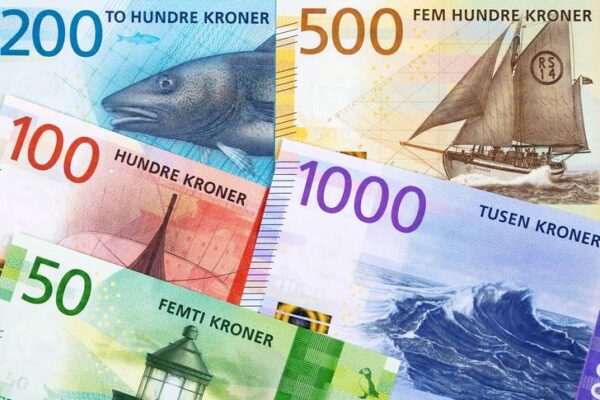
Criminal networks may produce counterfeit NOK 200, NOK 500, and NOK 1000 notes, as these denominations are most commonly used in large transactions. The intent behind such counterfeiting often ranges from simple fraud to money laundering or black-market trade.
How to Identify Counterfeit Norwegian Krone Notes
To protect yourself and your business, understanding how to identify genuine Krone banknotes is essential. Here are the key security features to look for:
1. Watermark and Security Thread
Hold the note against the light. Genuine Krone notes display a transparent watermark portrait and a metallic security thread running vertically through the paper.
2. Holographic Foil Strip
Each denomination features a distinct holographic strip that changes color or displays movement when tilted. Counterfeit notes often have static or dull holograms.
3. Raised Printing
Genuine notes have raised ink that you can feel by running your fingers over the text and images. This tactile feature is often missing or smooth in counterfeit versions.
4. Ultraviolet Elements
Under UV light, specific elements glow in different colors, while the paper itself remains dull. Fake notes often glow uniformly, exposing their artificial paper.
5. Microprinting and Fine Details
The microtext on real notes is crisp and clear under magnification. On counterfeit bills, these details often appear blurry or pixelated.
Common Denominations Targeted by Counterfeiters
The most frequently counterfeited Norwegian Krone denominations include:
-
200 Krone Note – Often faked due to its moderate value and widespread use.
-
500 Krone Note – A common target for counterfeiters in high-value transactions.
-
1000 Krone Note – Used in money laundering and black-market operations due to its high denomination.
Each of these notes has unique visual cues and color schemes, which should be carefully examined during cash handling.
Technological Innovations in Norwegian Banknotes
Norges Bank has continually invested in cutting-edge banknote technology to stay ahead of counterfeiters. The latest Krone series integrates advanced materials and digital security elements, including:
-
3D image motion effects
-
Color-shifting inks
-
Advanced polymer substrates
-
QR verification technology
These innovations have significantly reduced counterfeiting incidents within Norway, though international threats persist.
Legal Consequences of Using Counterfeit Krone
Possessing, distributing, or producing counterfeit Norwegian Krone is a serious criminal offense under Norwegian and international law. Even unintentional use of fake notes can result in investigation.
Penalties May Include:
-
Imprisonment ranging from 2 to 15 years
-
Heavy fines and asset seizure
-
Permanent criminal record affecting travel and employment
How to Handle Suspicious Norwegian Krone
-
Do not accept the note or make payment with it.
-
Compare it with a genuine note of the same denomination.
-
Note the serial number and any identifying details.
-
Report immediately to your local police or bank.
The Role of Businesses in Preventing Counterfeit Circulation
Retailers, banks, and financial institutions are at the forefront of detecting and reporting counterfeit Krone. Implementing proper training and anti-counterfeiting protocols is essential.
Business Protection Tips:
-
Install UV counterfeit detectors and cash verification machines.
-
Train staff to inspect high-denomination notes during cash transactions.
-
Keep detailed transaction records.
-
Collaborate with local law enforcement and banks for updates on counterfeit trends.
Counterfeit Krone and Digital Scams
As the use of digital payment systems grows, counterfeiters are adapting by integrating fake Krone notes into online money scams, dark web trading, and cryptocurrency exchanges.
How Banks Detect Counterfeit Currency
Banks in Norway use automated detection systems capable of scanning the microstructure of notes. These systems evaluate:
-
UV and infrared spectra
-
Magnetic ink patterns
-
Thickness and fiber composition
Preventive Measures for Individuals
To safeguard yourself:
-
Use secure ATMs and bank branches.
-
Avoid buying Krone from unauthorized dealers or street exchangers.
-
Educate family members and employees about common counterfeit signs.
Knowledge and awareness are your strongest defenses against counterfeiters.
Global Efforts Against Counterfeiting
Norway collaborates with Interpol, Europol, and European Central Bank (ECB) in identifying and dismantling transnational counterfeiting networks. These agencies share intelligence, monitor currency flow, and assist in the prosecution of international counterfeit syndicates.
Conclusion
Through public awareness, strict enforcement, and modern technology, authorities continue to protect the integrity of the Norwegian currency.
There are no reviews yet.