

Buy Counterfeit Polish Zloty Online
Counterfeit Polish Zloty, being one of the most stable and widely used currencies in Central Europe, plays a crucial role in Poland’s financial system and the European economic landscape. As global commerce expands, understanding how to detect counterfeit Polish Zloty is essential for individuals, tourists, and businesses engaging in Polish currency transactions.
Understanding the Polish Zloty (PLN)
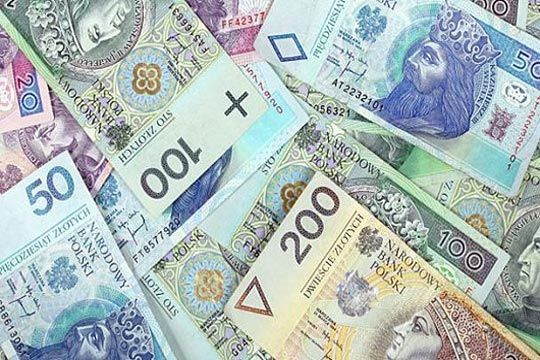
The Polish Zloty, abbreviated as PLN, is the official currency of Poland, issued and regulated by the National Bank of Poland (Narodowy Bank Polski – NBP). The Zloty’s denominations include banknotes of 10, 20, 50, 100, 200, and 500 PLN, alongside coins ranging from 1 grosz to 5 Zloty.
Each Polish Zloty banknote features distinct historical figures, vibrant designs, and advanced security elements to prevent forgery.
Why Counterfeit Polish Zloty Is a Growing Concern
The increase in counterfeit Polish Zloty circulation can be attributed to technological advancements in digital printing and online black-market activities. Criminal groups often distribute fake notes through unauthorized money exchanges, tourist hubs, and international trade routes.
Fake currency damages Poland’s economy by:
-
Reducing public trust in legitimate money circulation.
-
Disrupting retail and banking transactions.
-
Increasing costs for authentication and fraud prevention systems.
As a result, the National Bank of Poland continuously updates security measures and educates the public on how to recognize genuine notes.
Key Security Features of Genuine Polish Zloty Banknotes
Recognizing authentic Zloty notes involves understanding the unique anti-counterfeit technologies integrated by the National Bank of Poland. Each banknote incorporates the following security features:
1. Watermark
Hold the note up to light — you should see a visible watermark portrait of the same figure printed on the note along with the denomination number.
2. Security Thread
A metallic security thread runs vertically through the note, embedded within the paper. The thread changes color and contains microtext reading “NBP” or the note’s denomination.
3. Holographic Stripe (for Higher Denominations)
Notes such as 100 PLN, 200 PLN, and 500 PLN feature a holographic stripe that shifts in color and displays the denomination and eagle emblem when tilted.
4. Microprinting
Small, crisp text reading “RZECZPOSPOLITA POLSKA” or “NBP” is printed on various parts of the note. It should be sharp and not blurry.
How to Check for Counterfeit Polish Zloty in Daily Transactions
To ensure safety, always inspect your cash before accepting it. Follow this simple method:
-
Feel the Note: Authentic notes are printed on special cotton paper with distinct texture and raised printing.
-
Look Against Light: Check for watermark and security thread alignment.
-
Tilt the Note: Observe color shifts in holographic and optical elements.
What to Do If You Receive Counterfeit Polish Zloty
-
Retain the Note: Keep it in a safe place and handle it minimally.
-
Contact Authorities: Report it to the nearest police station or National Bank of Poland branch.
-
Provide Details: Inform them where and how the note was obtained.
Possession or use of counterfeit currency is a criminal offense under Polish Penal Code Article 310, which may result in imprisonment.
Preventing Counterfeit Currency in Businesses
Businesses are particularly vulnerable to counterfeit circulation. To reduce risks, companies should:
-
Train employees on how to identify fake Polish Zloty notes.
-
Install UV scanners or money detectors at cash registers.
-
Accept electronic payments whenever possible to reduce cash handling.
Educating your staff and using advanced detection tools ensures your business stays protected from counterfeit threats.
Digital Currency and the Fight Against Counterfeiting
Electronic payments and cashless transactions already account for a growing share of Poland’s financial activities.
Digital currencies eliminate physical reproduction risks, offering secure and traceable alternatives to paper money. Businesses adopting digital methods are far less likely to face counterfeit-related losses.
Role of the National Bank of Poland in Combating Counterfeit Money
The National Bank of Poland (NBP) is at the forefront of the fight against counterfeit currency. Its responsibilities include:
-
Designing and issuing secure banknotes with enhanced anti-forgery technologies.
-
Conducting regular public awareness campaigns.
-
Collaborating with law enforcement and the European Central Bank (ECB) for cross-border monitoring.
-
Upgrading detection technology in banking institutions.
Through consistent innovation and education, the NBP ensures that the Polish Zloty remains one of Europe’s most secure currencies.
Global Perspective on Counterfeit Currency and Economic Impact
Counterfeiting is not limited to Poland — it’s a global financial challenge. The economic consequences include:
-
Loss of consumer confidence in cash systems.
-
Increased operational costs for banks and governments.
-
Inflationary pressure caused by unregulated currency flow.
Poland’s strong anti-counterfeit framework and collaboration with European agencies help maintain financial stability and public trust in the Polish Zloty.
Conclusion – Stay Vigilant Against Counterfeit Polish Zloty
In an era of sophisticated digital printing and international money circulation, awareness remains the strongest defense. By learning how to identify counterfeit Polish Zloty, individuals and businesses can protect themselves from fraud and support the integrity of Poland’s economy.
There are no reviews yet.