



Counterfeit Indian Rupee – Complete Guide to Identifying and Preventing Fake Currency in India
The Counterfeit Indian Rupee problem poses a serious threat to India’s financial integrity and national security. As technology advances, counterfeiters continue to refine their methods to imitate genuine Indian currency notes, leading to widespread concerns among citizens, businesses, and financial institutions. Understanding how to identify fake Indian Rupee notes, the consequences of possessing or circulating them, and the measures implemented by the Reserve Bank of India (RBI) can help mitigate this growing challenge.
Overview of the Indian Rupee (INR)
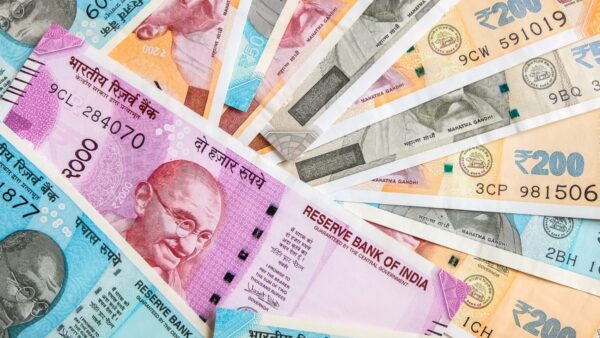
The Indian Rupee (₹), symbolized as INR, is the official currency of the Republic of India and is issued by the Reserve Bank of India. Current banknotes are part of the Mahatma Gandhi New Series, designed with enhanced security features to make counterfeiting more difficult.
Criminal networks exploit modern printing technologies to produce deceptive copies that can sometimes trick even trained eyes.
Understanding the Scale of Counterfeit Indian Rupee Circulation
Counterfeit Indian Rupees are often introduced into circulation through illegal trade, cross-border smuggling, and underground money laundering operations. Regions bordering neighboring countries like Pakistan, Nepal, and Bangladesh have historically been key infiltration points for fake Indian notes.
Key Security Features of Genuine Indian Currency Notes
To combat counterfeiting, the RBI has introduced multiple advanced security features in Indian banknotes. Understanding these features can help anyone verify the authenticity of a note quickly.
1. Watermark
All genuine notes carry a portrait watermark of Mahatma Gandhi along with the denominational numeral. Hold the note up to the light, and you’ll see the watermark clearly.
2. Security Thread
A security thread runs vertically across the note. This metallic thread changes color from green to blue when tilted and bears inscriptions such as ‘Bharat’ and ‘RBI’.
3. Latent Image
A latent image of the denomination numeral appears when the note is held at an angle. Fake notes often miss this subtle detail or show a distorted image.
4. Micro-Lettering
Below the portrait of Gandhi, genuine notes feature micro-lettering of the denomination and “RBI.” This can only be read under magnification and is often missing in counterfeit currency.
How to Identify a Counterfeit Indian Rupee Note
Recognizing counterfeit Indian Rupee notes requires attention to design precision, texture, and hidden security elements. Here are practical steps to identify fakes:
-
Check for Texture: Real notes have a distinctive rough texture on printed areas, while fake ones often feel smooth or waxy.
-
Inspect Serial Numbers: Genuine notes have evenly spaced, uniformly printed serial numbers. Misaligned or fuzzy numbers indicate counterfeit notes.
-
Look for Watermarks: Counterfeits often have poorly imitated or misplaced watermarks.
-
Use UV Light: Under ultraviolet light, genuine notes reveal fluorescent fibers and glowing security threads.
-
Tilt and Observe: Genuine color-shifting elements and security threads display movement and changing colors at different angles.
By familiarizing yourself with these details, you can reduce the risk of unknowingly accepting counterfeit notes.
Legal Consequences of Possessing Counterfeit Indian Rupees
Possession, circulation, or production of counterfeit currency in India is a serious criminal offense under the Indian Penal Code (IPC) Sections 489A to 489E.
-
Section 489A: Counterfeiting currency notes – punishable by life imprisonment or up to 10 years in prison and a fine.
-
Section 489B: Using or delivering counterfeit currency – imprisonment up to life.
-
Section 489C: Possession of counterfeit currency – imprisonment up to 7 years and a fine.
-
Section 489D & 489E: Making or using counterfeit instruments or banknotes – severe penalties apply.
These laws reflect India’s zero-tolerance approach toward counterfeit currency offenses. Even unintentional possession can result in investigation and confiscation of the notes.
RBI and Government Measures Against Counterfeit Currency
The Reserve Bank of India actively collaborates with national and international law enforcement bodies to combat the spread of Fake Indian Currency Notes (FICN). Some of the major initiatives include:
-
Upgrading Security Features: The RBI continuously enhances note design with anti-counterfeit technologies.
-
Public Awareness Campaigns: The “Know Your Banknote” initiative educates citizens on identifying genuine currency.
-
Cross-Border Intelligence Sharing: Cooperation with neighboring countries helps dismantle counterfeit smuggling networks.
-
Advanced Detection Equipment: Banks and ATMs are equipped with currency verification and image recognition systems.
These measures aim to strengthen the resilience of the Indian monetary system against the counterfeit threat.
Impact of Counterfeit Currency on the Indian Economy
Counterfeit currency undermines the credibility and stability of the Indian Rupee, contributing to several negative consequences:
-
Economic Instability: Fake notes increase money supply artificially, fueling inflation.
-
Public Distrust: Circulation of counterfeit notes erodes confidence in cash transactions.
How to Report Counterfeit Indian Rupees
If you encounter a suspicious note:
-
Do not attempt to use it.
-
Take it to the nearest bank branch or police station.
-
Fill out a Counterfeit Note Report Form (CNRF).
-
The note will be sent to the Reserve Bank of India for examination.
Tips to Protect Yourself from Counterfeit Currency
-
Always verify high-value notes using multiple features.
-
Use cash counting machines with counterfeit detection sensors.
-
Avoid accepting notes from unverified sources or street exchanges.
-
Stay updated through the RBI’s “Know Your Banknote” campaign.
-
Educate employees and family members on spotting fake currency.
Being vigilant is the best defense against counterfeit Indian Rupees.
Conclusion
The Counterfeit Indian Rupee issue remains one of the most persistent challenges facing India’s financial ecosystem. With continuous advancements in security design and public awareness efforts, the country is making significant progress in combating fake currency. However, individual responsibility is equally vital. By learning to identify fake notes, staying informed about currency changes, and reporting suspicious cases promptly, we can collectively protect the value and integrity of the Indian Rupee.
There are no reviews yet.