

Counterfeit Jordanian Dinar – Everything You Need to Know About Fake Currency in Jordan
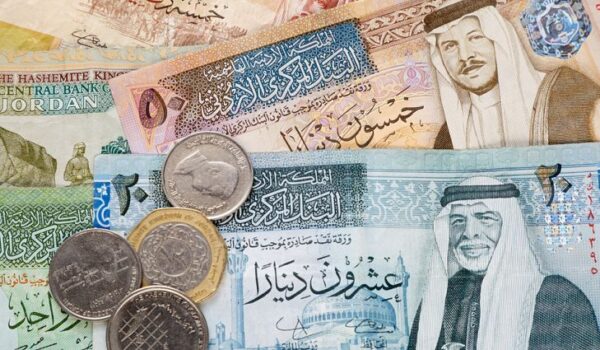
Counterfeit Jordanian Dinar, abbreviated as JOD, is the official currency of Jordan. It was introduced in 1950, replacing the Palestinian pound, and remains one of the strongest and most stable currencies in the Middle East. Banknotes are issued by the Central Bank of Jordan (CBJ) in denominations of 1, 5, 10, 20, and 50 dinars, each featuring advanced security elements designed to prevent counterfeiting.
The Growing Issue of Counterfeit Jordanian Dinar
The counterfeit Jordanian Dinar has become an increasing concern for businesses, tourists, and financial institutions. These fake notes often enter circulation through black market transactions, unofficial currency exchanges, or illegal online activities.
Detecting fake notes early helps prevent large-scale financial losses and supports the stability of Jordan’s financial system.
How to Identify a Counterfeit Jordanian Dinar
To protect yourself and your business, it’s vital to know how to spot fake Jordanian Dinar notes. The Central Bank of Jordan has incorporated several layers of anti-counterfeiting security features that make genuine notes distinguishable from fake ones.
1. Watermark and Security Thread
Hold the note up to the light. A clear watermark portrait of the Royal Family member and a security thread should be visible. Counterfeit versions often have printed or blurred imitations of these features.
2. Raised Printing
Authentic Jordanian Dinar banknotes are printed with raised ink, giving them a textured feel. You can detect this by running your fingers over the denomination numbers and the words “Central Bank of Jordan.”
3. Holographic Stripe
Higher denomination notes, especially the 50 Dinar, feature a holographic security stripe. Tilt the note slightly; the stripe should show shifting colors and clear images.
4. Color-Shifting Ink
Genuine notes use color-shifting ink that changes hue when viewed from different angles. Fake notes often fail to reproduce this effect accurately.
5. Ultraviolet Features
Under a UV light, authentic Jordanian banknotes reveal fluorescent fibers and patterns.
Common Denominations Targeted by Counterfeiters
These denominations are often used in large business transactions, making them a prime target for criminals attempting to insert fake currency into the economy.
Consequences of Using Counterfeit Jordanian Dinar
Using or possessing counterfeit currency in Jordan carries severe legal penalties. Under Jordanian law, individuals found guilty of producing, distributing, or knowingly possessing counterfeit money can face lengthy prison sentences and heavy fines.
For businesses, accepting fake money can lead to loss of profit and damage to reputation.
The Role of the Central Bank of Jordan in Combating Counterfeiting
The Central Bank of Jordan (CBJ) plays a critical role in maintaining the integrity and trust of the national currency. The CBJ continuously updates the design of Jordanian Dinar notes, introducing enhanced security features to stay ahead of counterfeiters. They also conduct public awareness campaigns to educate citizens about how to detect fake currency.
Additionally, the Central Bank collaborates with international organizations and security agencies to track cross-border counterfeit operations. The CBJ’s ongoing commitment to technological advancement ensures that Jordan remains at the forefront of currency security innovation in the Middle East.
Technological Advances in Anti-Counterfeiting
Modern banknote printing employs cutting-edge technologies to safeguard authenticity. These include:
-
Microprinting and fine line patterns that are difficult to replicate accurately.
-
Embedded holograms for optical variable effects.
-
Transparent windows or polymer-based elements for extra security.
-
Tactile marks for visually impaired users, ensuring inclusivity while preventing forgery.
Such innovations make the counterfeit Jordanian Dinar easier to detect and harder to produce, maintaining the integrity of Jordan’s financial system.
Tips for Protecting Yourself from Fake Jordanian Dinar
To safeguard yourself against counterfeit currency:
-
Inspect notes carefully before accepting them, especially in high-value transactions.
-
Use UV detectors or counterfeit pens if you frequently handle cash.
-
Avoid exchanging currency from unauthorized vendors or informal sources.
-
Report suspicious notes immediately to the nearest police station or the Central Bank of Jordan.
-
Stay informed about the latest security features introduced in Jordanian banknotes.
Impact of Counterfeit Currency on the Jordanian Economy
The circulation of counterfeit Jordanian Dinar notes poses a direct threat to the nation’s economy. It undermines public trust in the currency, disrupts legitimate business operations, and can even contribute to inflationary pressures. The government’s strict measures and public cooperation are essential in minimizing the risks associated with counterfeit money.
Conclusion
The counterfeit Jordanian Dinar remains a pressing concern that requires constant vigilance and awareness. By learning to recognize fake currency and understanding the severe consequences of counterfeiting, citizens and businesses alike can protect themselves and contribute to a more secure financial environment. The Central Bank of Jordan’s proactive measures, combined with public cooperation, ensure that the Jordanian Dinar remains one of the most trusted currencies in the region.
There are no reviews yet.